 English
 Русский
 عربي
عربي Español
 Français
 Português
MiningRoad LH Type Flexible Crust Technology for Industrial Deposits
Flexible Crust Technology for Industrial Deposits
Mine stockpiles, port and dock material piles, exposed building sites, and roadside slopes often experience collapses, leaks, and surface dust blowing up in the rain and under strong winds.
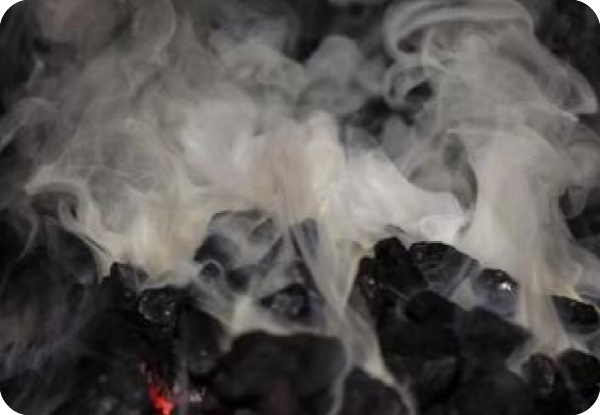
After being treated with a special polymer spray, the surface of the stockpiles forms a flexible crust layer that is resistant to both rainwater erosion and winds exceeding level 10. This crust layer, due to its dense sealing properties, also acts as a coal seam inhibitor and provides stabilization for roadside slopes.
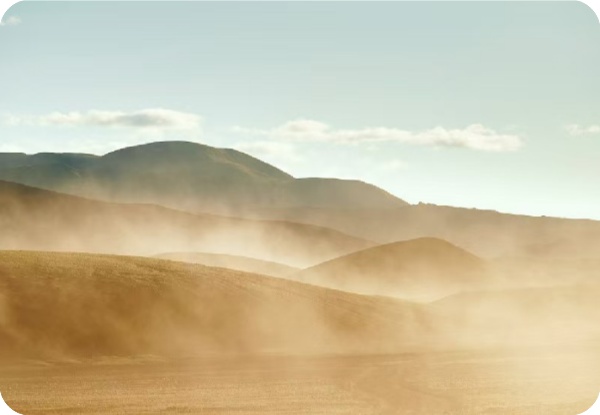
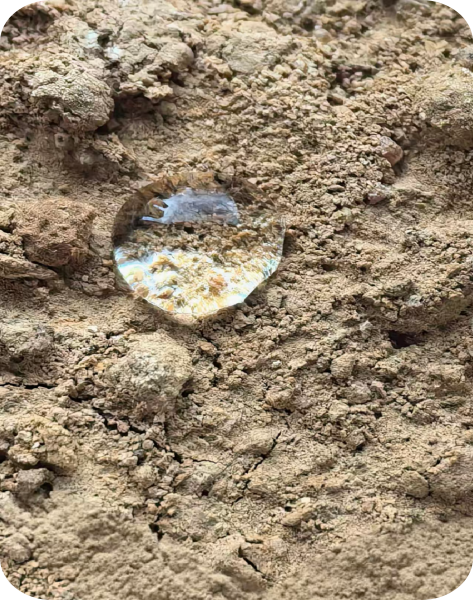
Specialized polymers, through grafting highly hydrophobic elements and adding anti-cracking agents and other additives, achieve elastic bonding between sand particles, resulting in highly hydrophobic and highly UV-resistant properties. This technology is globally recognized as "liquid tarpaulin."
This technology has the following characteristics:
High hydrophobicity, achieving a lotus leaf effect, and resisting heavy rain.
Flexible and not brittle, not easily broken under normal pressure and impact.
Resistant to gale-force winds (level 10), with strong adhesion, it cannot be blown away by ordinary winds.
Coal-resistant, with high sealing properties, preventing air from entering the coal.
UV resistant, maintaining good condition even after 6 months of exposure to sunlight.
Who Can Participate in MiningRoad?
 Mines
Mines Industry
 Orchards and Vineyard
 Municipalities
 Provincial, State + Federal Government