 English
 Русский
 عربي
عربي Español
 Français
 Português
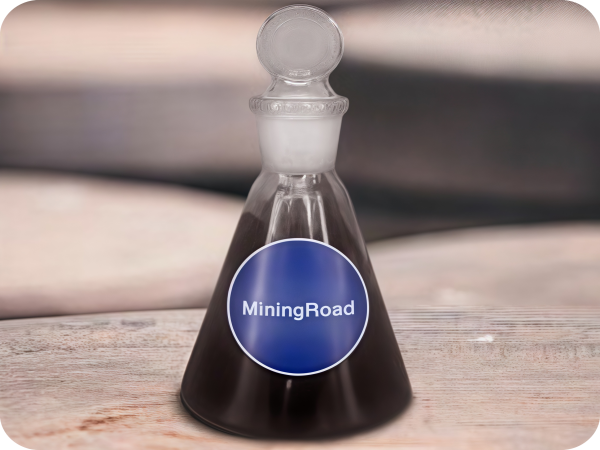
MiningRoad GR (GOODROAD) Type Flexible Pavement Film-Forming Agent
FPF technology is a novel road construction technique that uses physical and chemical methods to treat the surface layer of compacted earth-rock roads, forming a flexible film-forming layer with functions including pressure resistance, wear resistance, waterproofing, and dust suppression.
This technology employs a "wet film formation" process, using locally sourced aggregates as a base and adding a film-forming agent developed from new mining road materials to rapidly form a composite structure film-forming layer.
The flexible film-forming layer not only possesses the pressure resistance and wear resistance of rigid pavements but also retains the advantages of low cost and rapid construction of earth-rock roads, becoming a third road construction mode between traditional hardened pavements and mud-bound gravel roads.
Product Introduction
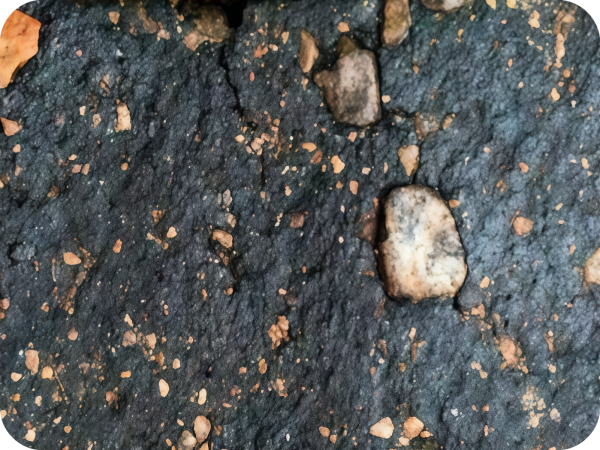
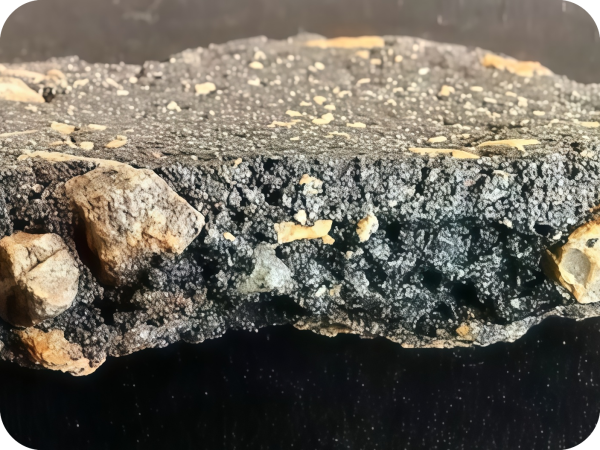
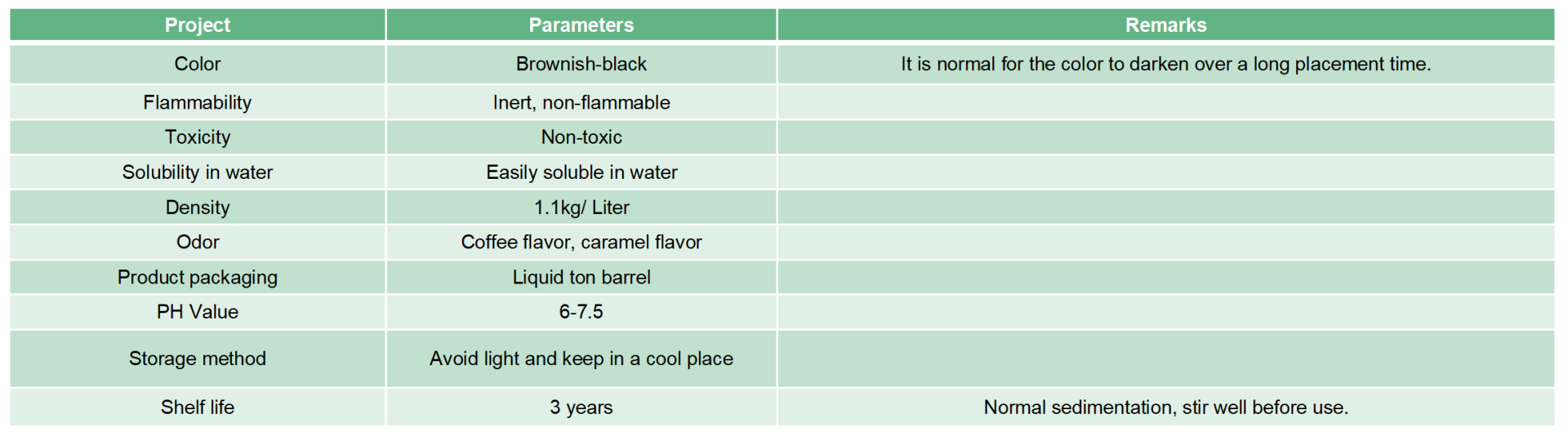
Features of Flexible Pavement Film-Forming Technology
On the basis of the original road surface, the flexible film-forming agent is gradually infiltrated into the original road surface through the "wet film-forming" construction process. The flexible film-forming agent reacts with the soil and stone particles or waste residues of the original road surface and gradually forms a flexible film-forming layer that is both flexible, tough and waterproof.
The flexible film-forming agent has certain biological activity characteristics: it can "press", "grow", and "resist pressure". As the vehicles continue to roll over, the sand and gravel aggregates and dust are pressed into the layer and become part of the layer, and the thickness gradually reaches more than 10mm. The increase in aggregates can resist the heavy pressure and friction of heavy-loaded vehicles.
The flexible film-forming agent also has the function of "slow release of dust suppressants". It contains bio-based dust suppressants and has a slow release function, which prolongs the use effect of dust suppressants.
Comparative Analysis of Benefits of Flexible Pavement Film-Forming Technology
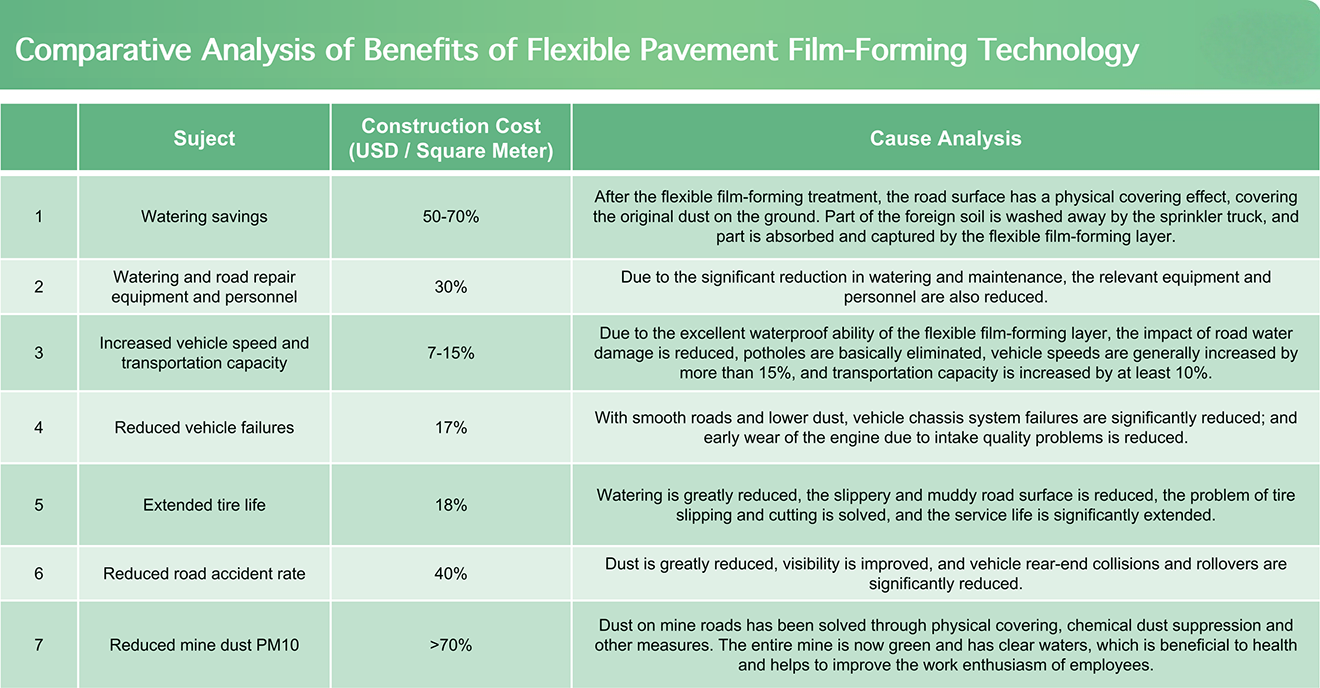
Note: The above data is derived from actual application statistics of some mining companies, and has certain limitations and deviations.
Why Choose GR (GOODROAD)?
- Self-healing and self-growing functions.
- Resistant to water immersion, sun exposure, tearing, and rolling.
- During the dry season with high temperatures, the membrane layer can still prevent dust raised by wheel rolling and airflow disturbance.
- In rainy weather, the membrane layer can still prevent rainwater intrusion, maintaining good pavement conditions.
- In low temperatures during winter, the membrane layer can still prevent ground cracking or icing issues that cause slipping.
- Fast construction speed, simple maintenance, low maintenance costs, and environmentally friendly materials.
Who Can Participate in MiningRoad?
 Mines
Mines Industry
 Orchards and Vineyard
 Municipalities
 Provincial, State + Federal Government